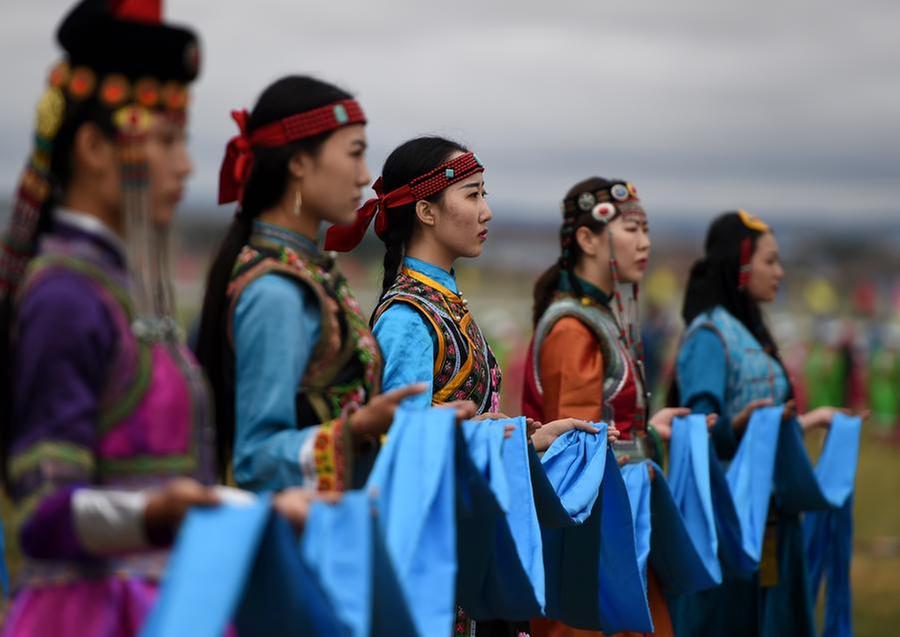
Costume of Mongolian Ethnic Group
Introduction
The costume of the Mongolian ethnic group is a vibrant representation of their rich cultural heritage and historical traditions. A blend of practicality suited to the nomadic lifestyle and an aesthetic that reflects the natural landscapes of the steppes, these costumes are characterized by their unique designs, vivid colors, and intricate embellishments. They are worn during significant cultural events, such as the Naadam Festival, where traditional sports and performances are showcased. These costumes are not merely attire but embody the spirit and identity of the Mongolian people, serving as a visual representation of their cultural legacy.
History
The history of Mongolian ethnic costumes dates back centuries, closely intertwined with the nomadic lifestyle and the climatic conditions of the steppes. Traditionally, the costumes were designed to offer protection against harsh weather while accommodating mobility for horseback riding and daily activities. Over the centuries, the costumes evolved, absorbing influences from various tribes and neighboring cultures, yet they retained distinct elements that reflect the core of Mongolian ethnic identity. The historical significance of these costumes is evident in their ceremonial use during festivals such as Naadam, where they symbolize the enduring traditions and social customs of the Mongolian ethnic people.
Components of the Costume
Headwear
Headwear is a prominent component of Mongolian ethnic costumes, often elaborately designed to signify marital status, social ranking, and tribal affiliation. The styles of headgear vary among different tribes and are crafted using materials like silk, fur, and felt, making them both functional and decorative. In traditional contexts, the headwear can include iconic elements such as the distinctive 'hulug', a peaked hat that symbolizes nobility and authority within the community.
Upper Garments
The upper garments of Mongolian ethnic costumes are typically characterized by the 'deel,' a long, loose-fitting robe fastened with a sash. These garments are made from durable materials such as silk or cotton, providing warmth and flexibility needed for the nomadic lifestyle. The deel is often adorned with intricate embroidery and vibrant patterns that reflect the wearer’s status and the cultural motifs of the respective tribes. The design and embellishments of the deel can vary depending on the occasion, with more ornate versions worn during festivals and ceremonies.
Lower Garments
Lower garments complement the upper attire, typically consisting of trousers that provide comfort and functionality for horseback riding and daily activities. These trousers are crafted from sturdy fabrics that withstand the rugged conditions of the steppes and are often styled to allow unrestricted movement. The design might include subtle decorative elements that align with the overall aesthetic of the costume, maintaining a balance between practicality and cultural expression.
Footwear
Footwear in Mongolian ethnic costumes is designed to offer protection against the extreme weather conditions typical of the region. Traditional boots, known as 'gutuls,' are made from leather and are often lined with fur for added warmth. These boots are distinguished by their upturned toes, which serve a practical purpose during horse riding and are also believed to convey good fortune. The craftsmanship of the boots often includes intricate stitching and decorative patterns, reflecting the artistry and cultural motifs of the Mongolian ethnic group.
Accessories
Accessories play a vital role in completing the ensemble of Mongolian ethnic costumes. These include belts, jewelry, and other adornments that are significant both aesthetically and symbolically. Belts are often wide and richly decorated, serving as both functional items and as a means of displaying wealth and status. Jewelry, crafted from materials like silver, coral, and turquoise, is worn to signify beauty, prosperity, and protection. The choice and arrangement of accessories are deeply rooted in Mongolian cultural traditions, adding layers of meaning to the overall costume.
Preservation and Promotion
The preservation and promotion of Mongolian ethnic costumes are essential for maintaining the cultural heritage of the Mongolian ethnic people. Initiatives to document and revitalize traditional costume-making techniques are underway, supported by cultural institutions and local communities. Educational programs and cultural festivals like the Naadam fair serve as platforms to showcase these costumes, attracting interest from both locals and tourists. By fostering awareness and appreciation of these traditional garments, efforts are being made to ensure their continued existence as a vibrant part of Mongolian cultural identity.








